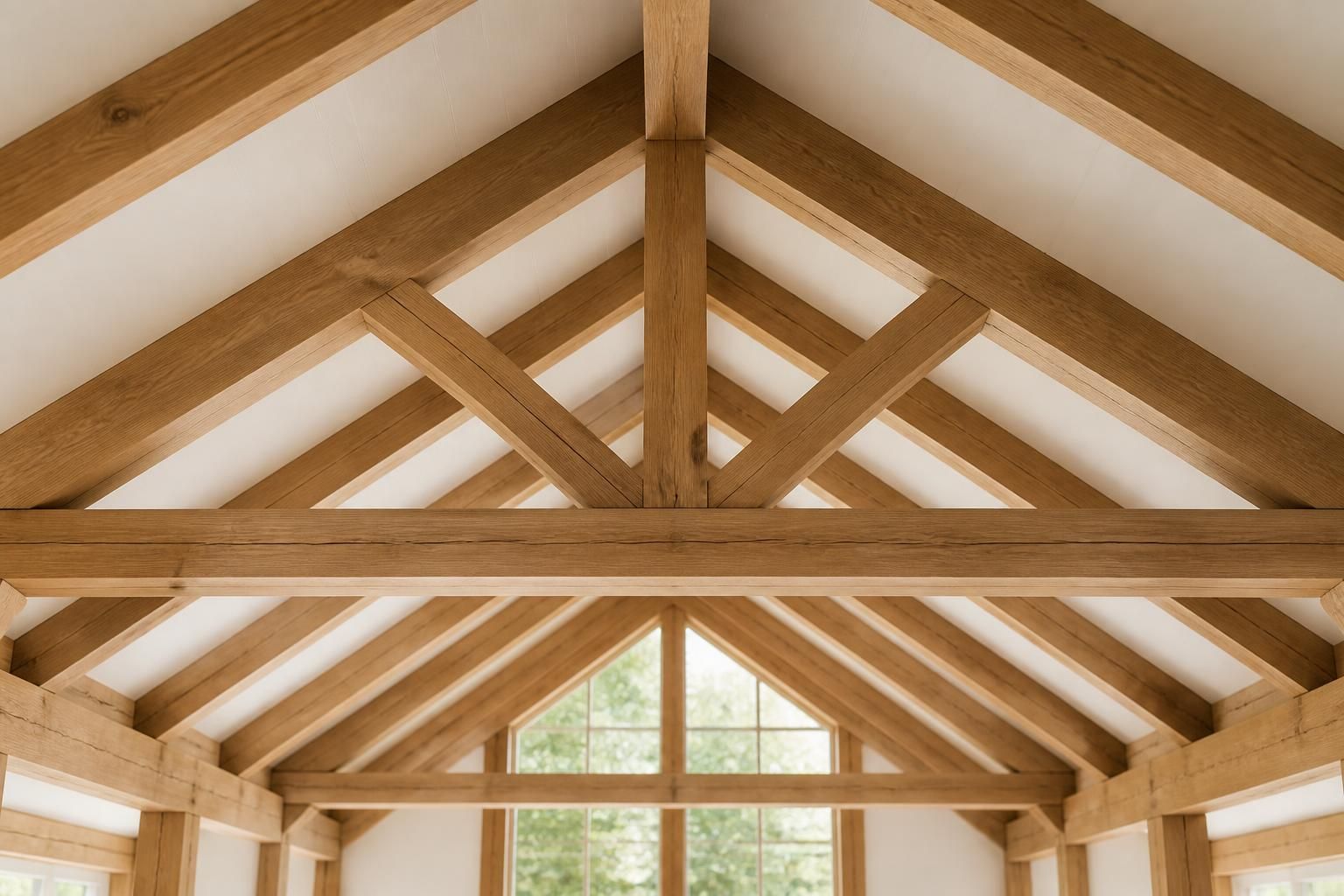
If your roof line has started to sag, if framing looks uneven, or if a storm left visible movement above the ceiling, the problem may begin with the trusses, not the outer roofing. Roof trusses carry the shape and load of the roof system, so issues there can show up as cracked finishes, shifting rafters, or areas that never seem to sit right after repairs.
Bahamas Roofing Company Limited handles roof trusses for properties across Nassau, NP, from new construction to reinforcement and repair. We look at how the roof is carrying weight, how the structure is tied down, and whether the framing still matches the demands of the roof above it.
Roof trusses do more than hold the roof up. They set the shape of the structure, help distribute loads, and support the rest of the roof system so decking, underlayment, and finishes can do their jobs. When trusses are undersized, damaged, poorly tied, or altered without a clear plan, the entire roof can start to show stress.
That stress may appear as ridges that do not look straight, ceiling cracks, stuck doors after roof work, or recurring leaks that keep returning because the roof structure is moving. In Nassau, NP, roof truss service has to account for wind uplift resistance, fastening, and long-term stability, not just appearance.
Bahamas Roofing Company Limited provides roof truss design, fabrication, installation, repair, and reinforcement. That means we can help with a roof that is being built from the start, a roof that needs structural repair, or a frame that needs strengthening before the outer roofing is replaced.
Our work is shaped by the roof as a complete system. A strong truss layout still needs correct bracing, secure connections, and good alignment with the rest of the roof build. If one part is off, the roof can become harder to maintain and more vulnerable to weather exposure.
For new construction and additions, trusses must be planned to suit the span, roof shape, and load requirements of the project. Fabrication is then carried out so the pieces fit the intended structure rather than forcing the structure to adapt later.
Installation is about more than setting the trusses and moving on. We check spacing, bracing, fastening, and tie-down points so the structure is ready for the roofing layers that follow. When an existing roof needs extra support, reinforcement can help extend the usefulness of the frame without rushing into a full rebuild.
Truss issues do not always look dramatic at first. Sometimes the first clues are subtle and easy to miss until the roof starts showing repeated symptoms. If you are noticing changes inside the home or above the roof line, it is worth having the structure checked before more damage develops.
When one of these signs shows up, a targeted roof truss assessment can help separate a surface repair from a structural concern.
Our inspection process focuses on the roof as a load-bearing structure. We review the visible framing, look for movement points, and assess whether the truss system still aligns with the rest of the roof build. If you are dealing with a renovation, a repair, or a roof that has aged unevenly, this step helps identify what the structure actually needs.
This process helps homeowners and contractors make decisions with the structure, not guesswork, guiding the next step.
Roof trusses are part of a larger system, and we treat them that way. If a roof is being installed, replaced, or repaired, the truss frame has to support the outer layers without creating stress points. That is why our roof truss work connects naturally with roof installation, roof replacement, roof repair, roof inspections, roof maintenance, metal roofing, tile roofing, and roof construction.
When the frame is sound, the rest of the roof has a better base to work from. When the frame is not sound, outer repairs may only hide the problem for a short time. We aim to address the structure first so the roofing above it has a stable foundation.
Nassau, NP roofs have to deal with more than simple wear. The structure has to stand up to heavy tropical rain, strong wind, intense sun, and salt air exposure. Roof trusses built for generic conditions can struggle when they are asked to perform here over time.
Bahamas Roofing Company Limited builds and repairs trusses with those conditions front of mind. That means attention to load paths, proper fastening, bracing, and the details that help a roof stay steady when the weather turns rough. The goal is not only to close up a roof, but to give the structure a chance to hold its shape and support the rest of the system for the long run.
Customers often want to know how a truss project unfolds. The process should feel clear, not confusing. Once you contact us, we schedule a site visit, review the roof structure, and explain what the trusses need before any work starts.
For many projects, the next step is straightforward: repair damaged members, reinforce weak points, or plan replacement where the existing frame no longer makes sense to keep. We then complete the work and walk you through what was done, so you understand the changes made to the structure above you.
Bahamas Roofing Company Limited works from Cable Beach and serves Nassau, NP with free on-site estimates throughout New Providence during business hours Monday through Saturday. If the roof frame is the part causing concern, we can help you get a clear answer and a practical plan.
Roof trusses are the structural framework that shapes and supports the roof. They help carry loads and keep the roof system aligned.
Sagging lines, ceiling cracks, shifting roof shape, and repeated roof problems can point to a truss issue that needs inspection.
Yes, some damaged or weakened trusses can be repaired or reinforced. The right choice depends on the condition of the structure and the extent of the damage.
They matter a great deal. If the frame is weak or damaged, replacing the outer roofing without addressing the structure can leave the same problem behind.
Yes, trusses can be designed and installed for additions so the new roof section matches the building and connects to the existing structure.
Tell us about any sagging, cracks, leaks, storm damage, or past roof work. Those details help narrow down where the structural concern may be starting.
Get Started
Tell us what your roof needs, whether it is new construction, a repair, a replacement, or truss work. We will review the project and provide a clear next step.